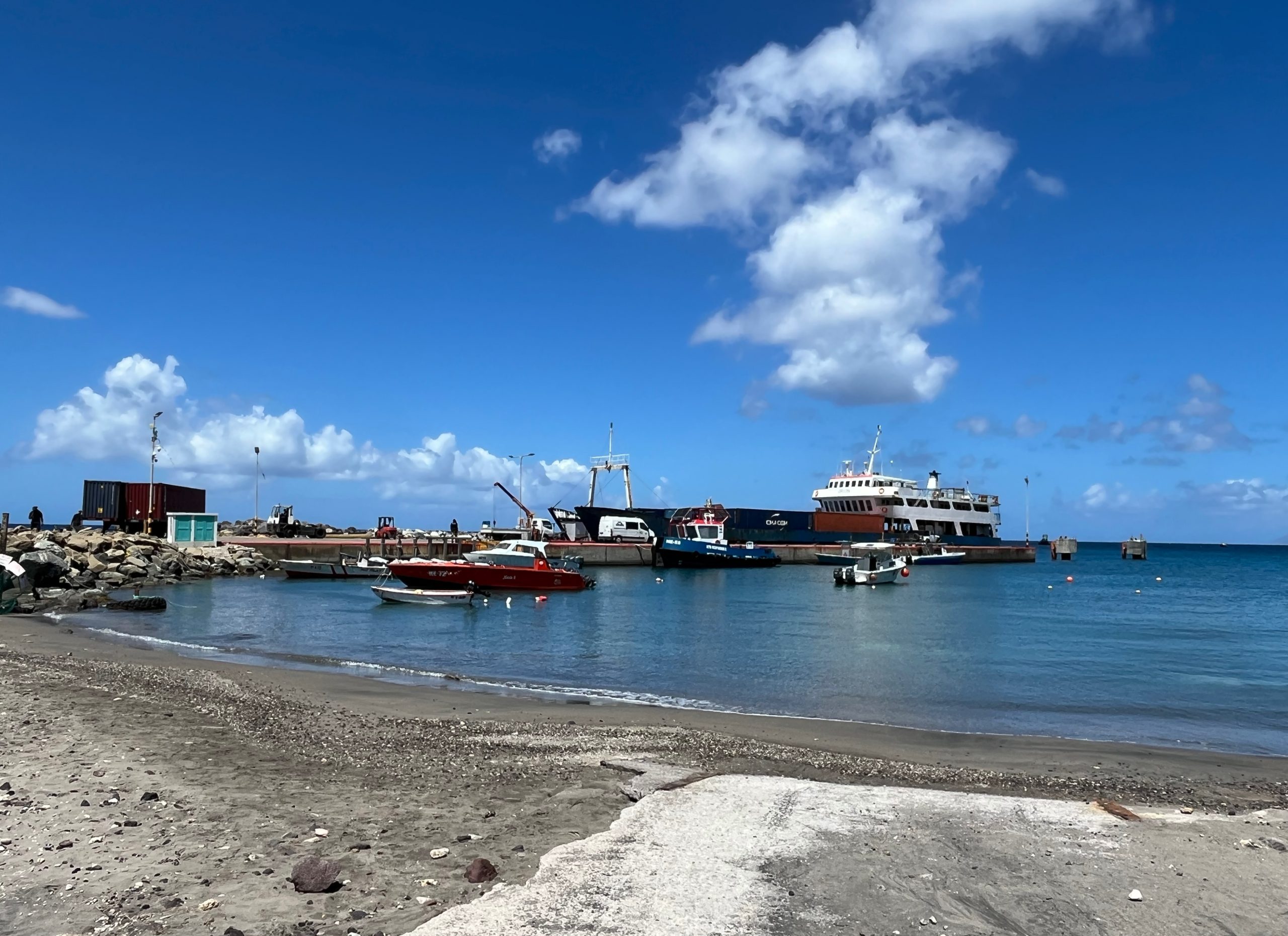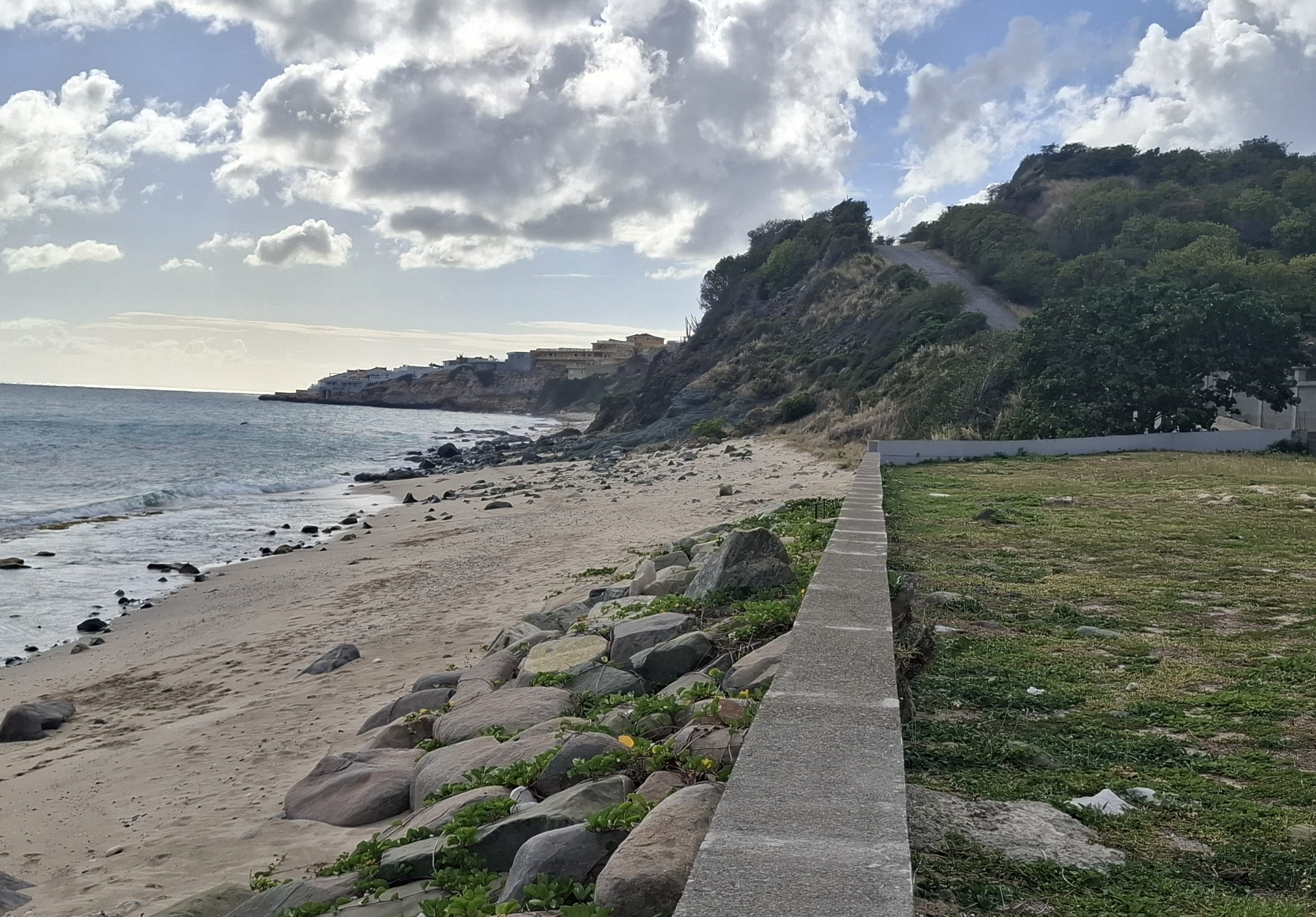
Bonaire is developing a Knowledge Agenda as part of its Climate Plan to better organise and use climate-related knowledge for decision-making. The island faces increasing climate risks, including sea-level rise, extreme rainfall, heat, and pressure on ecosystems, infrastructure, and livelihoods. At the same time, knowledge on climate change and its impacts is often fragmented across sectors such as water, nature, health, and the economy, making it difficult to apply effectively in policy and practice.
Led by the International Panel for Deltas and Coastal Areas (IPDC), this project supports the development of the Knowledge Agenda. It brings together existing knowledge, identifies key gaps, and sets priorities for future knowledge collaboration , creating a shared foundation for more coordinated and effective climate action on Bonaire.
Objective and approach
The project aims to establish a coherent Knowledge Agenda that supports evidence-based decision-making and implementation of the Bonaire Climate Plan. It identifies priority knowledge questions, defines research needs, and translates these into a set of concrete knowledge projects.
The approach combines analysis and co-creation. Existing reports, studies, and outcomes from the Bonaire Climate Table are reviewed to understand what knowledge is already available. Building on this, knowledge gaps are identified through systematic mapping and analysis of earlier discussions and policy needs.
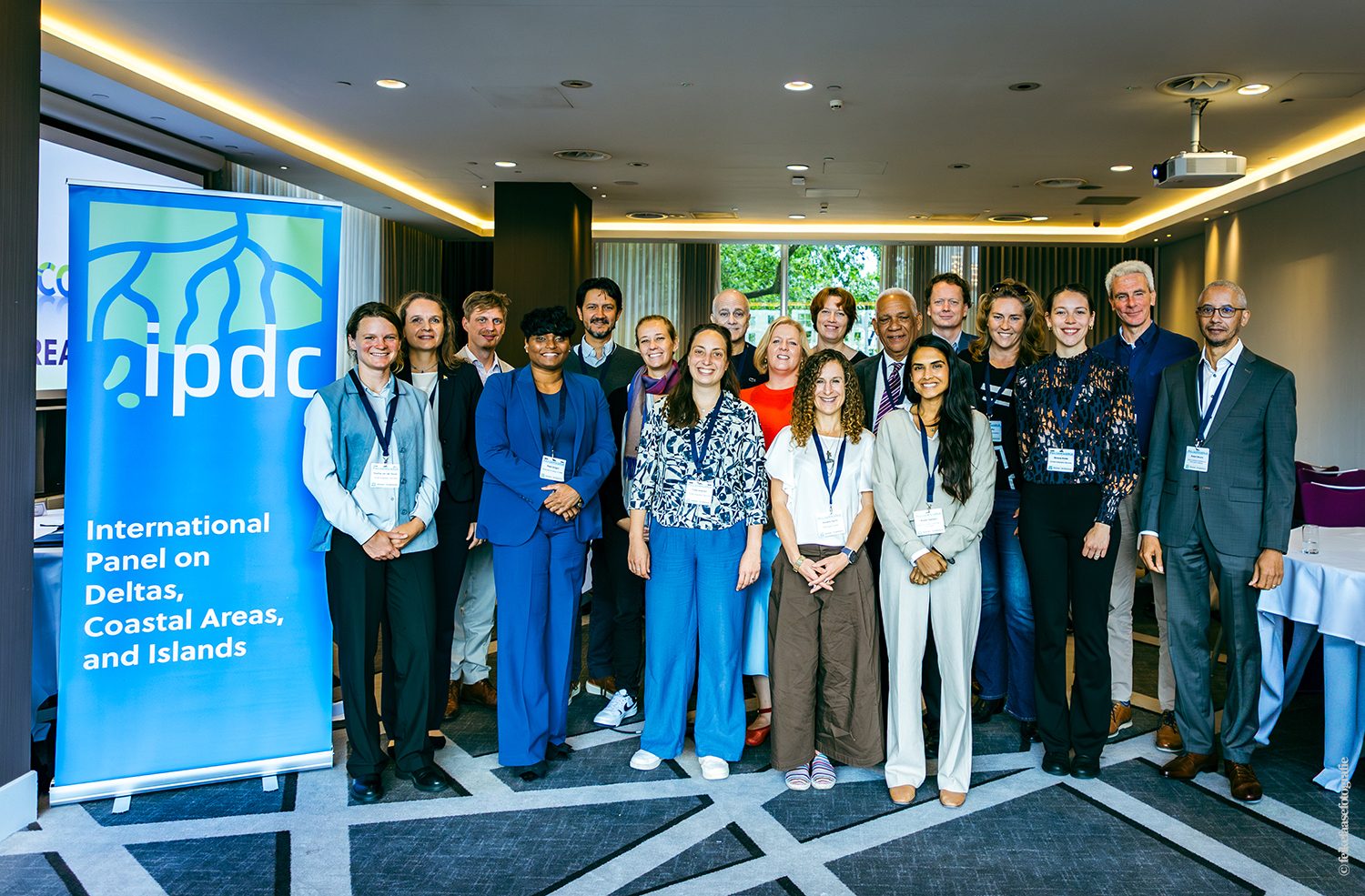
Stakeholders play a central role throughout the process. Expert sessions and validation workshops ensure that the Knowledge Agenda reflects both scientific insights, community perspectives, and societal priorities. In total, 28 organisations contributed to this process, helping to validate findings and strengthen the relevance of the results. The involved organisations are from different sectors with varying expertise, including nature & environment, agriculture & food, water, energy, health & wellbeing, and cultural heritage
The outcome of this process is a set of priority knowledge projects. Together, these projects form the Knowledge Agenda and provide direction for future action-oriented research, knowledge exchange and collaboration.
Outcomes and relevance
The Knowledge Agenda is embedded in the Bonaire Climate Plan and consists of:
- a dedicated chapter outlining the knowledge priorities;
- a knowledge agenda proposing 14 action-oriented knowledge projects;
- a supporting report with methodology and background analysis.
These outputs help to organise and connect knowledge across sectors, making it more accessible and actionable. By linking research directly to policy and implementation needs, the Knowledge Agenda supports more effective and coordinated climate action.
It also provides a basis for future collaboration and investment. By clearly defining research priorities, it helps partners and funders align their efforts and contributes to more efficient use of resources.
Partners and IPDC role
The Knowledge Agenda is developed through collaboration between Deltares, the Dutch Climate Research Initiative (KIN), WWF Netherlands, Moons Consulting Engineers, and Stichting Climate Adaptation Services. The project is carried out in close coordination with the Bonaire Climate Table and relevant ministries.
Within the IPDC programme, this project strengthens the link between knowledge development and implementation. It supports Bonaire in moving from fragmented information towards a more structured, knowledge-driven approach to climate resilience.
Outlook and resources
The Knowledge Agenda will guide future research and support the implementation of the Bonaire Climate Plan. It is expected to help mobilise funding and engage research partners for the identified knowledge projects.
Resources will be added upon publication, including:
- Bonaire Climate Plan
- Knowledge Agenda report
- Climate Impact Atlas (Bonaire)