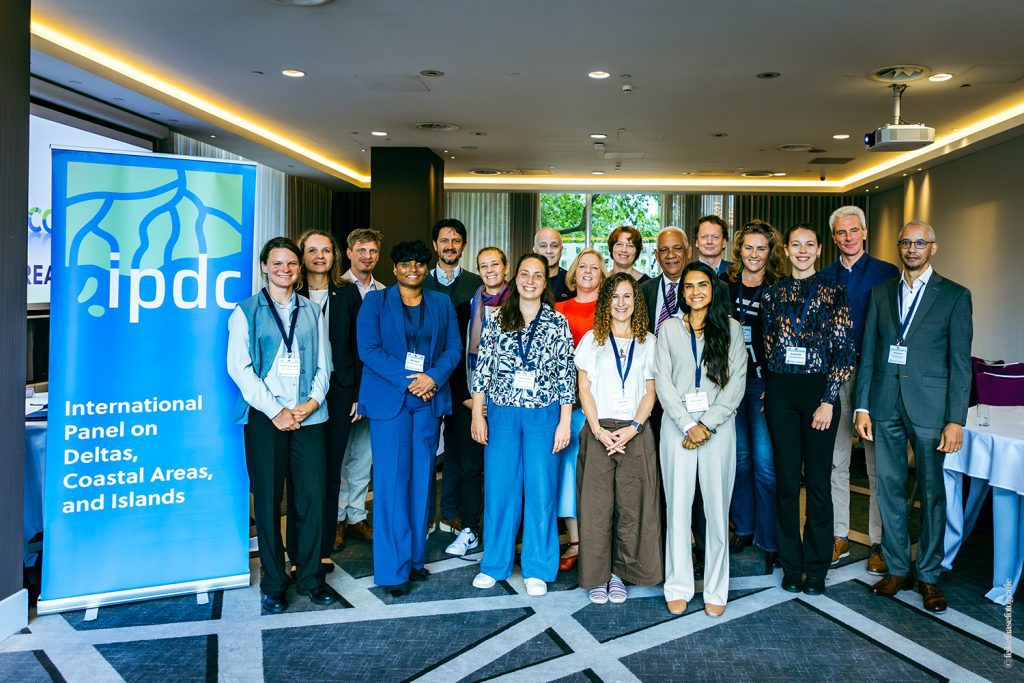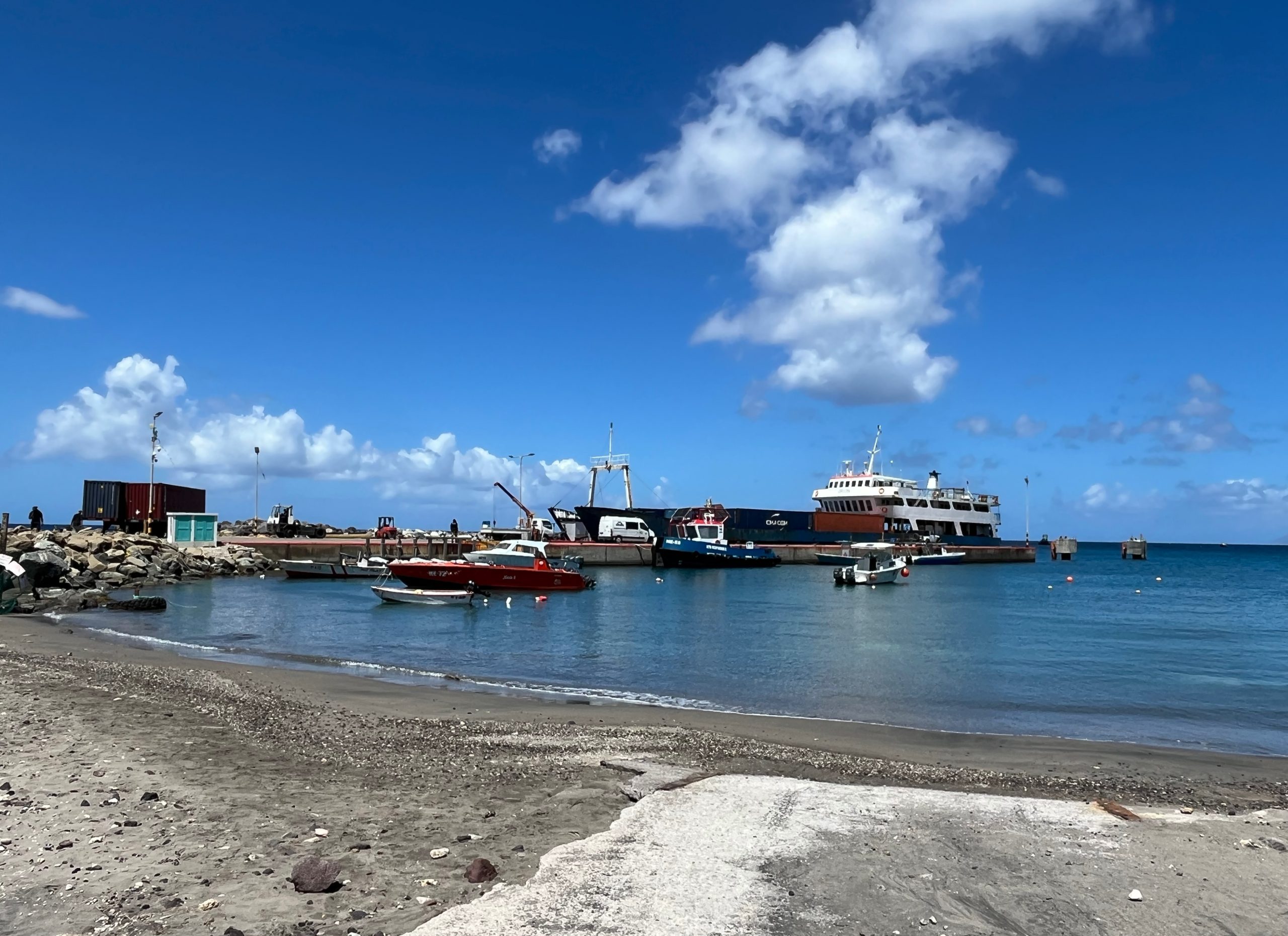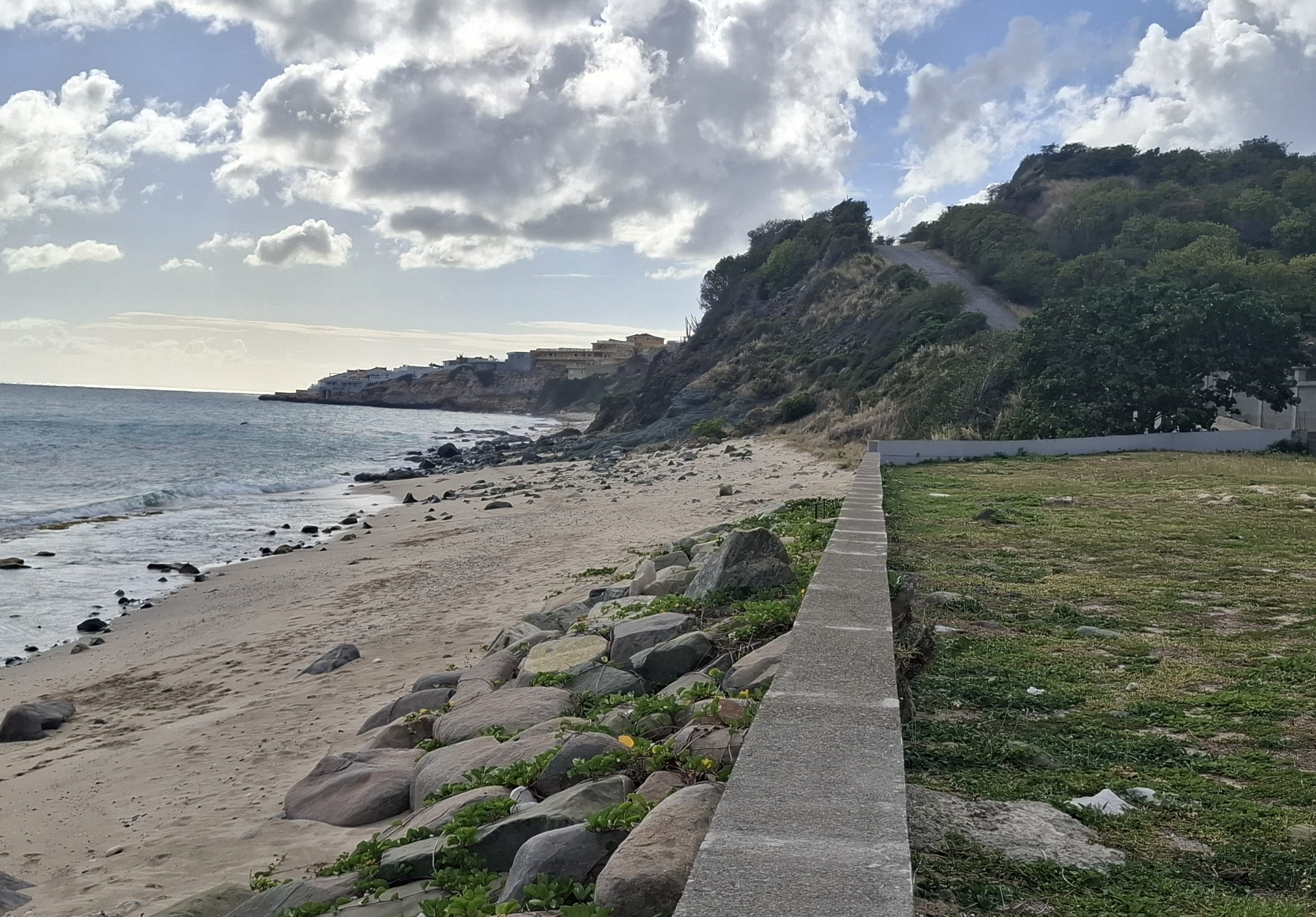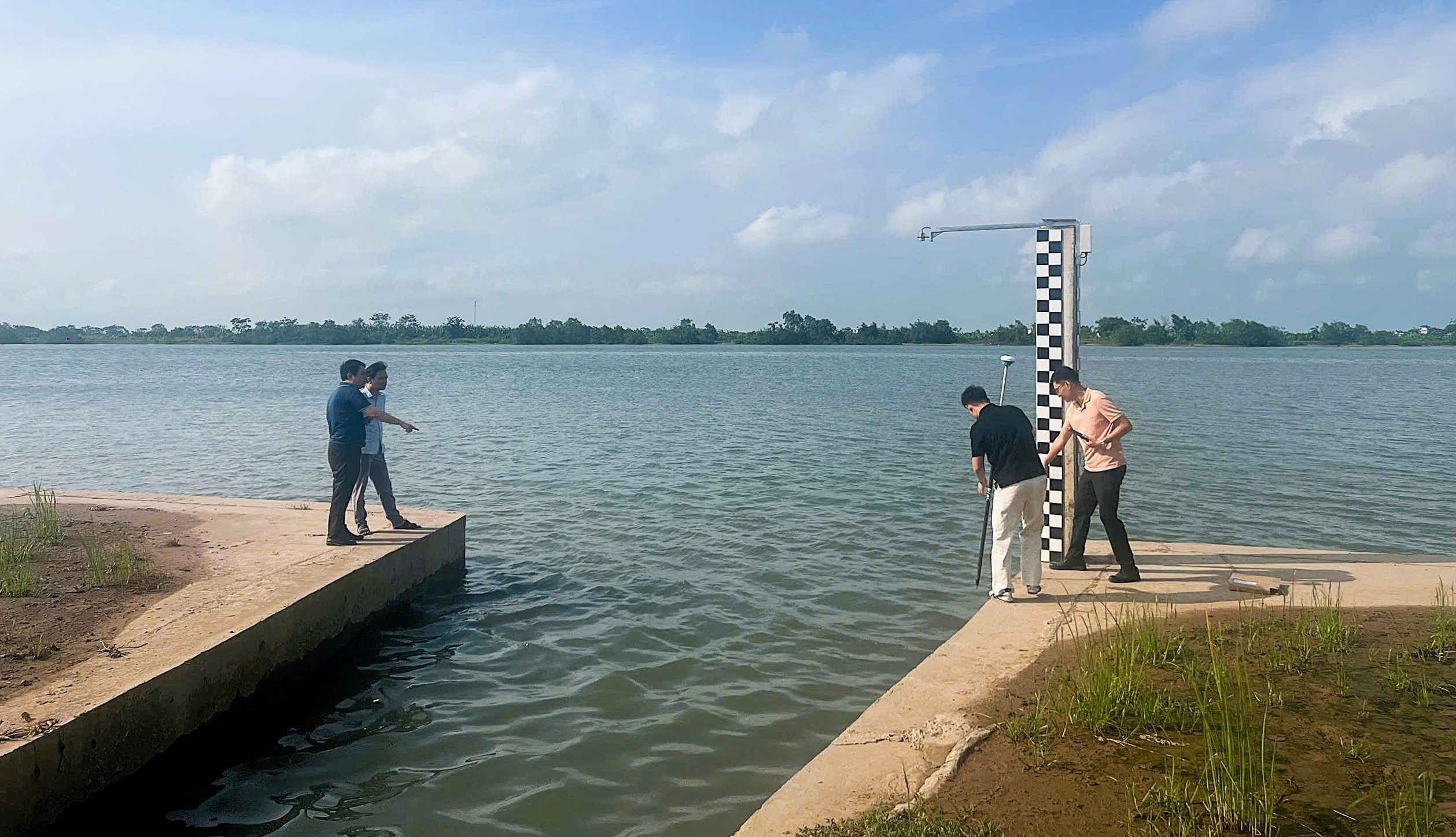
Roads are being built, nature is being restored, and coastlines are being mapped. Across the six islands of the Dutch Caribbean – Aruba, Bonaire, Curaçao, Saba, Sint Eustatius and Sint Maarten – governments are constantly working to develop their islands. And yet, for a long time, nobody could answer whether all of this work adds up to a climate-resilient future. Through IPDC, the Dutch Caribbean islands and the Netherlands are now collaborating to change that – using the Triple A framework as a shared structure to work towards climate-resilient islands.
Shared challenges
The Dutch Caribbean islands face increasing climate risks: rising sea levels, extreme heat, heavier rainfall and coastal erosion. At the same time, for many residents, the most pressing concerns are more immediate. Housing costs, food prices and unemployment compete for attention and resources. An integrated plan can connect climate challenges and socioeconomic ones, making them easier to tackle together.
A systematic approach rooted in local context
All six islands are working on their own National Adaptation Strategy (NAS, the three countries) or Climate Plan (the three special municipalities). IPDC connected to this local context with the Triple A framework as a connecting thread.
The Triple A approach works in three – interacting and iterative – phases: Analysis, Ambition and Action. Analysis maps what climate risks exist and what data is available. Ambition defines what a climate-resilient island looks like in practice, what the community wants to protect and build towards. Action translates those goals into concrete plans. The cycle repeats, with plans updated every four to six years typically.
The Triple A approach addresses both risks and opportunities. It not only asks what risks to avoid, but also what a climate-resilient island should look like in practice. On Bonaire, for example, this produced eight thematic ambitions – including water safety, food self-sufficiency, healthy ecosystems and cultural heritage. These themes connect climate adaptation directly to the island’s broader development goals.
Each island develops its own climate plan. The IPDC team used a menu card – a structured overview of the building blocks of an integral adaptation plan – to map together with each island which pieces were already in place, which were still missing, and where additional support was needed.
Supporting inclusiveness
A climate adaptation plan is most effective when it reflects the needs and perspectives of the people it affects. Across the islands, local governments led the development of the climate adaptation strategies and were responsible for organising stakeholder and community engagement activities. Reaching a representative range of voices can be challenging, particularly on islands with diverse communities such as Curaçao. To support these locally led efforts, IPDC contributed several tools and communication products, including online videos, surveys, and the Climate Impact Atlases, an interactive online platform with content tailored to different audiences. The extent of community engagement varied between islands and was shaped by local priorities and capacities.
Collaboration across islands
Alongside each island’s individual process, collaboration between the islands was an important part of the programme. The climate scenarios project – as part of the Analysis phase – for Aruba, Curaçao and Sint Maarten is a good example. None of the three countries had its own climate projections. IPDC brought together the meteorological institutes of all four countries in the Kingdom of the Netherlands. With the Royal Netherlands Meteorological Institute (KNMI) sharing knowledge on how to develop climate scenarios, each country developed its own projections. Between them, they exchanged data, methods and expertise. By working together rather than separately, the countries built local capacity, avoided duplicating effort, and deepened existing ties between the islands.
From ambition to action
One of the challenges the islands have faced in the past is translating plans into action. Several islands have set up dedicated bodies to develop their climate plans – councils and advisory tables with a clear mandate. In a number of cases, however, these bodies sit at a distance from the formal governance structures that can turn plans into policy and budgets. Who holds ownership of the plan, and who ensures it is implemented, is a question that remained open on several islands.
The Triple A approach emphasises the action phase as a critical step in itself. It is not an endpoint, but the moment that requires careful organisation. All six islands now have a climate plan or national adaptation strategy in development, and the programme is currently focusing on supporting that transition to coordinated action.
“We are developing our National Adaptation Strategy step by step, together with ministries, experts and stakeholders across Curaçao. By combining knowledge, experience and public input, we are building a strategy that fits our island and can be implemented in practice.” – Pédzi Girigori, IPDC Focal Point Curaçao
A lesson worth sharing
An important lesson from the Dutch Caribbean is not which framework you choose, but that you choose one and apply it consistently, within the local context of each island. All islands followed the same process but shaped it to fit their own structures, capacity and priorities. That combination of consistency and adaptation to local circumstances is essential to move from ideas to action.
As Arno Nolte, IPDC project coordinator, puts it: ‘Tackle it systematically, but within the local context. It is the same process – the wheel does not need to be reinvented every time.’