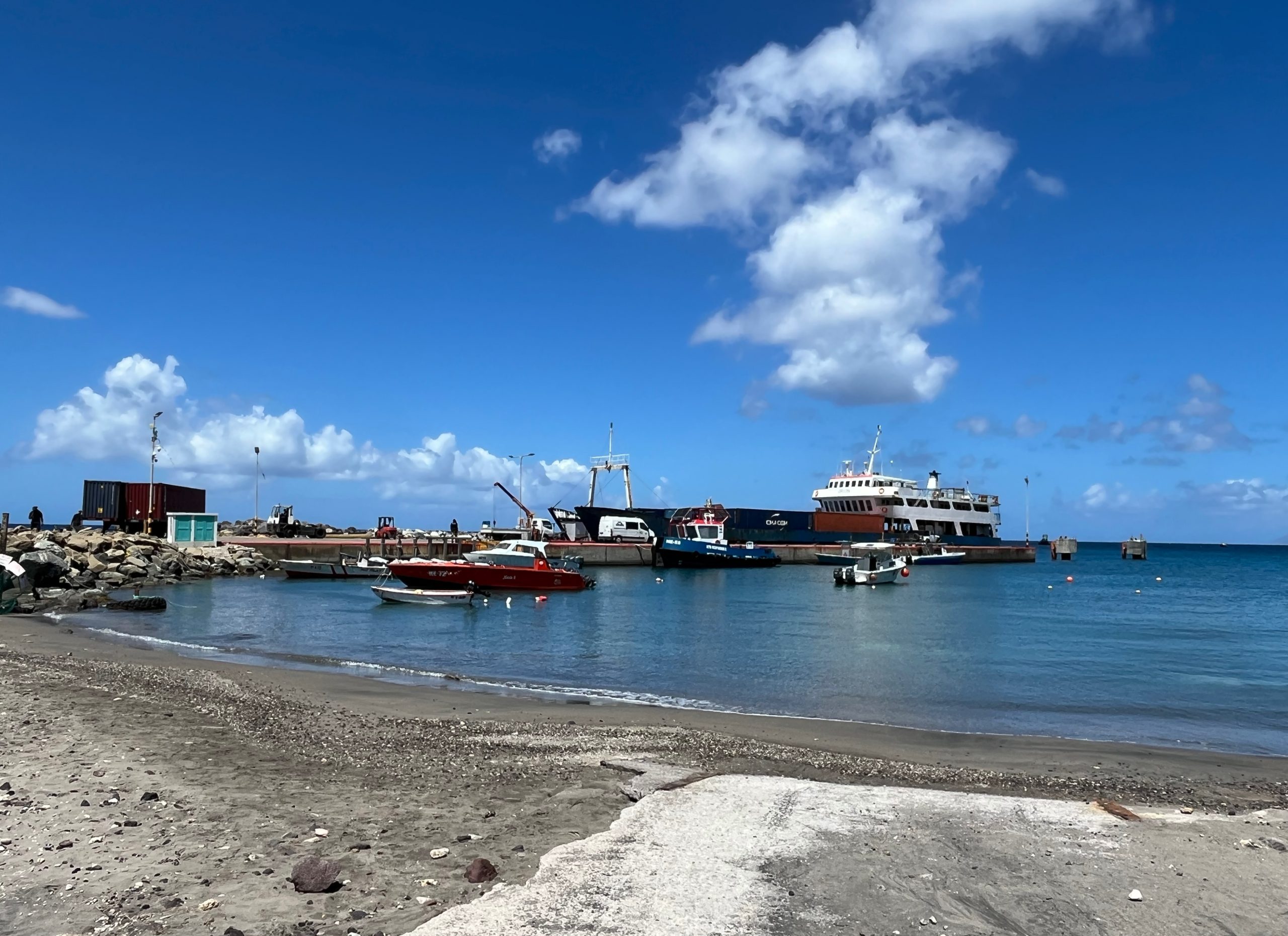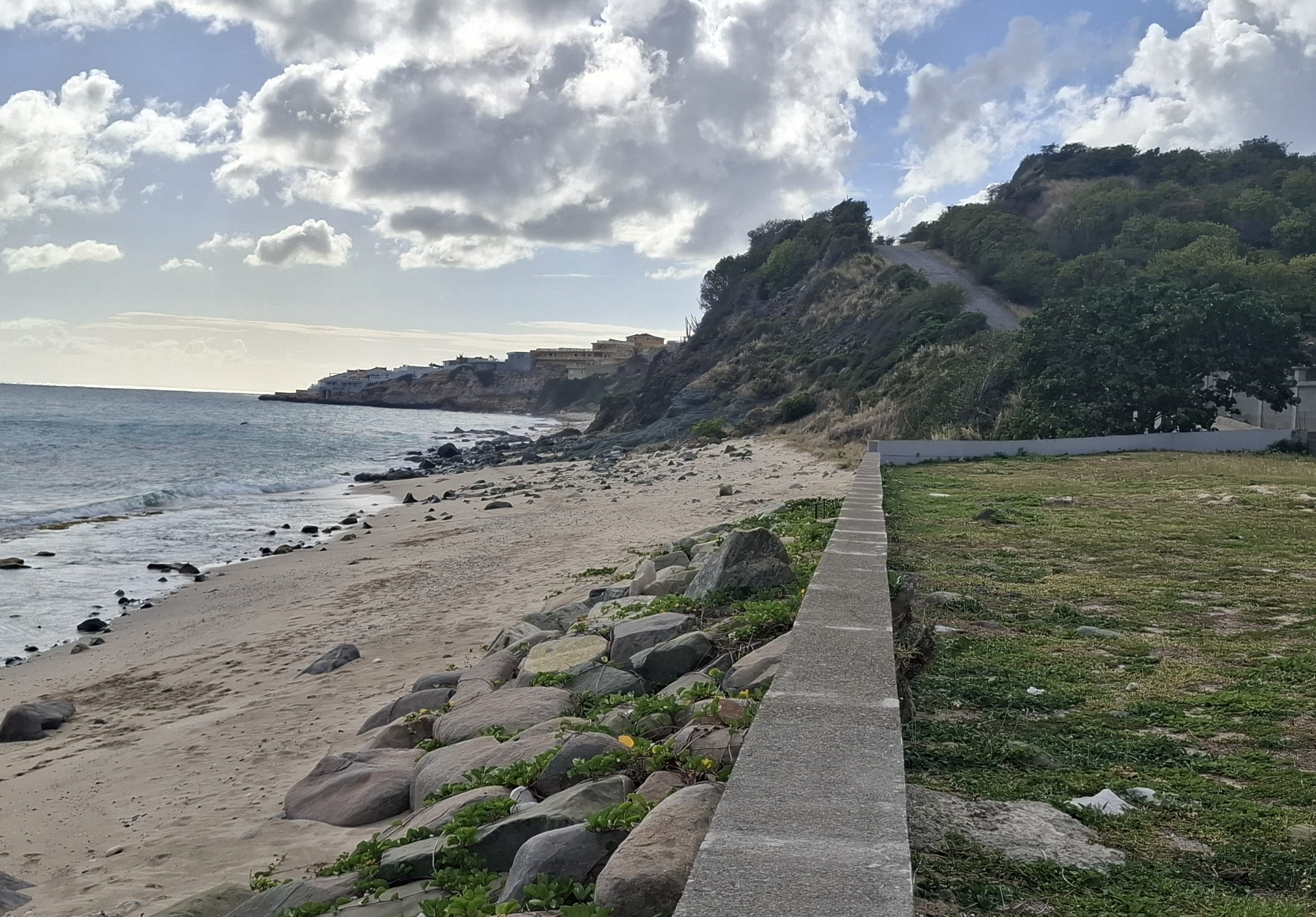
Along Colombia’s coastline, communities have watched the sea inch closer for years. In some places, roads are breaking away and houses built a generation ago find themselves at the water’s edge. For the people living here, coastal erosion is reshaping daily life. In response, the Colombian Ministry of Environment and Sustainable Development developed a Master Plan for Coastal Erosion. Building knowledge and capacity is central to that plan. To support this effort, Colombia and the Netherlands joined forces to launch TRAINCOAST – a diploma training programme on coastal erosion management, designed to strengthen the capacity needed to plan and implement climate adaptation along Colombia’s coasts.
The programme is funded through IPDC and delivered in cooperation with the Colombian Ministry of Environment and Sustainable Development, and in partnership with Colombian and Dutch institutions.
A country with two coastlines
Colombia’s coastline stretches across two oceans – roughly 1,600 kilometres along the Caribbean and 1,300 kilometres facing the Pacific. Together, they account for almost half of Colombia’s total national territory. These coastal zones are home to some of the country’s most ecologically rich and socially vulnerable communities. Historically, these regions have received less attention in national policy and investment then other parts of the country.
Since 2020, Colombia has formally recognised itself as an oceanic nation, and the need for climate change adaptation along its coasts has received growing attention. The scale of what is at risk makes that attention urgent: projections suggest the country could lose up to 230 km² on the Pacific coast and 260 km² on the Caribbean coast by 2100 due to rising sea levels and erosion.
Policy and practice
Facing this reality, Colombia’s Ministry of Environment has developed a national Coastal Erosion Master Plan. The policy foundations are solid, but translating them into action on the ground has proven more difficult. Stakeholder workshops organised through IPDC in 2024 revealed two interconnected challenges. Firstly, on the technical side, specialists highlighted the need for access to modern modelling tools and better knowledge of how to identify and evaluate Nature-based Solutions. Secondly, on the institutional side, local officials pointed to the need for guidance on navigating governance processes, requesting climate financing, and connecting national policy to local realities.
Building capacity at every level
TRAINCOAST – the Training Programme in Modelling, Monitoring and Governance of Coastal Erosion – was designed to address both challenges at once. Structured as a hybrid diploma combining online and in-person sessions, it ran from early 2025 through mid-2026 and worked on two levels.
The first track reached governance professionals, public officials, university staff, and environmental agency personnel – equipping them to understand erosion risk, work with modelling tools and results, integrate climate adaptation into their daily decision-making, and pass that knowledge on to colleagues and communities in their own regions.
The second track went deeper, offering hands-on technical training to specialists using software tools to simulate shoreline dynamics, sediment transport and scenario evaluation.
A train-the-trainer component ensures the programme can be replicated beyond the initial group of participants.
IHE Delft led the programme, with contributions from Deltares and Wageningen Marine Research, as well as Colombian governmental organisations and universities. National organisations—including the Ministry of Environment, the National Planning Department, the National Unit for Disaster Risk Management (UNGRD), National Natural Parks, INVEMAR, and universities—were involved in the modules as trainers and contributors
Skills that ripple
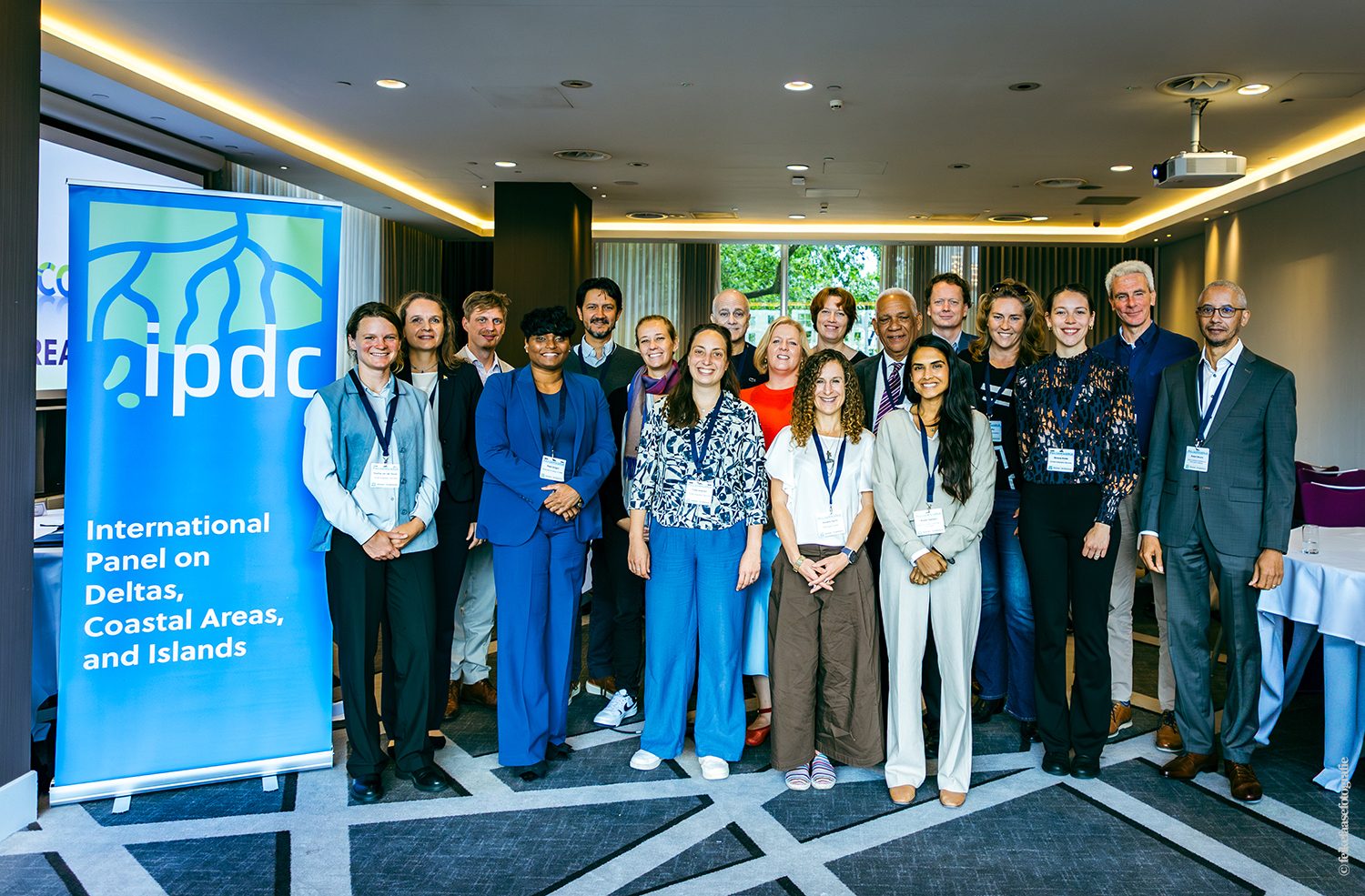
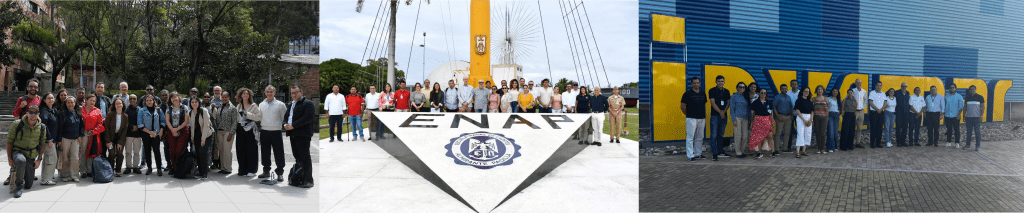
In late 2025, the foundational training was completed. It combined online modules with in-person sessions across three regions: Bogotá, Cartagena and Santa Marta. By the end, 72 professionals from 37 institutions had received certification in coastal erosion management – equipped to govern, monitor and model coastal dynamics, and to evaluate and prioritise adaptation measures.
“The modules on modelling, governance, protected areas, risk management, and adaptation were highly relevant. The entire programme was well aligned and comprehensive with respect to the dynamics we face daily as technical professionals in the public sector,” – Participant
The ripple effects are already visible. For instance, in Cartagena, the training opened discussions between the University of Cartagena and the Escuela Naval de Cadetes Almirante Padilla (ENAP) on developing new academic programmes in coastal management. More broadly, TRAINCOAST is now operational in Colombia as a modular diploma programme, expanding the national capacity to understand, monitor and manage coastal erosion. By building a shared baseline of skills across institutions, the programme supports government officials and partner organisations to make evidence-informed choices for coastal risk reduction and adaptation planning.
Beyond the programme
TRAINCOAST sits within a broader set of IPDC-supported activities in Colombia, all working towards the same goal: strengthening the country’s ability to adapt to climate change along its coasts. Reflecting IPDC’s approach of sharing expertise, experience and solutions across borders, the programme is designed for replication in other Colombian regions and in countries facing similar challenges along their coasts. For the communities watching the sea inch closer, that work cannot come soon enough.
Contact
Want to know more about IPDC support in Colombia and the work of TRAINCOAST? Get in touch with Marta Faneca Sànchez.