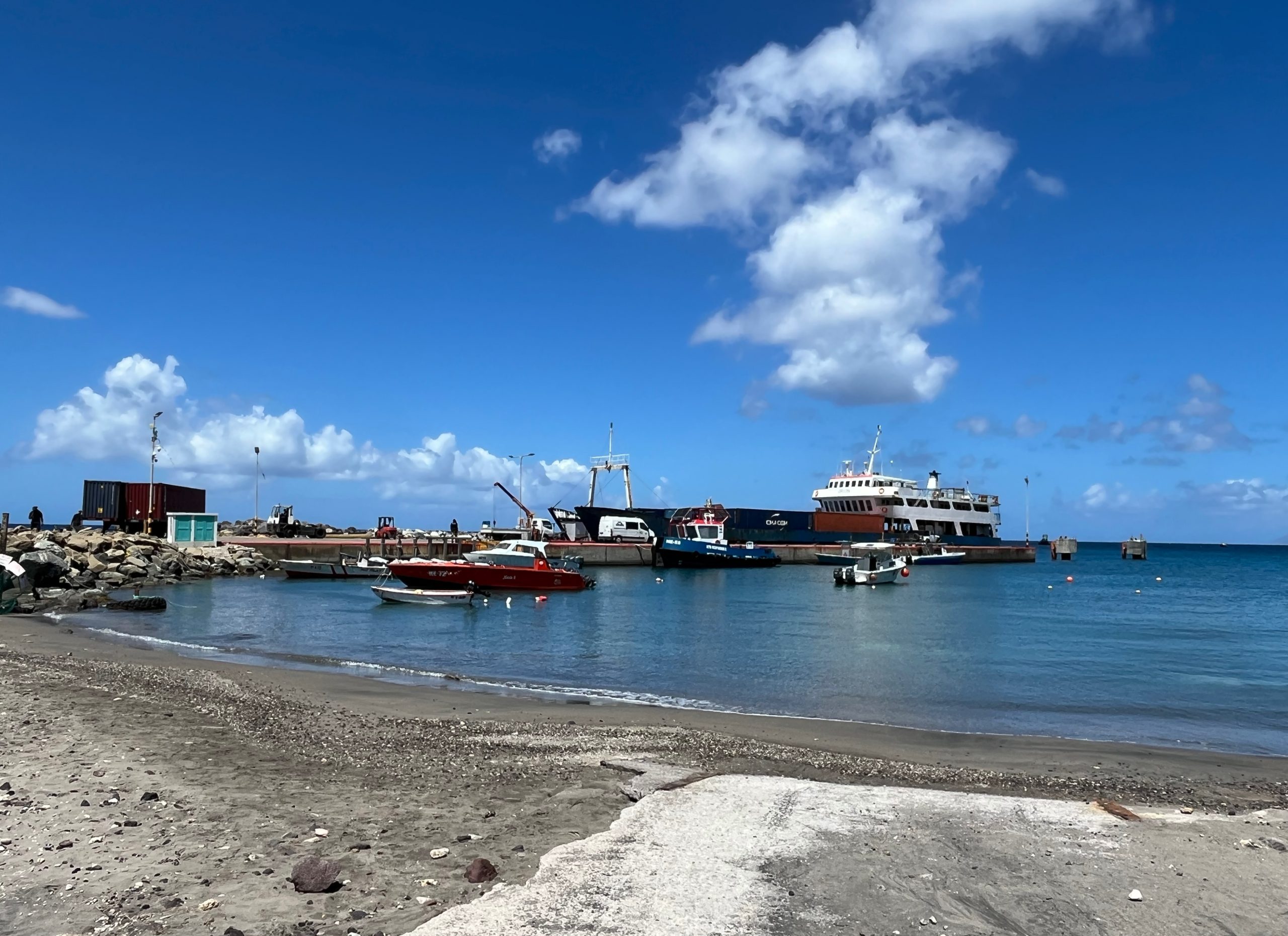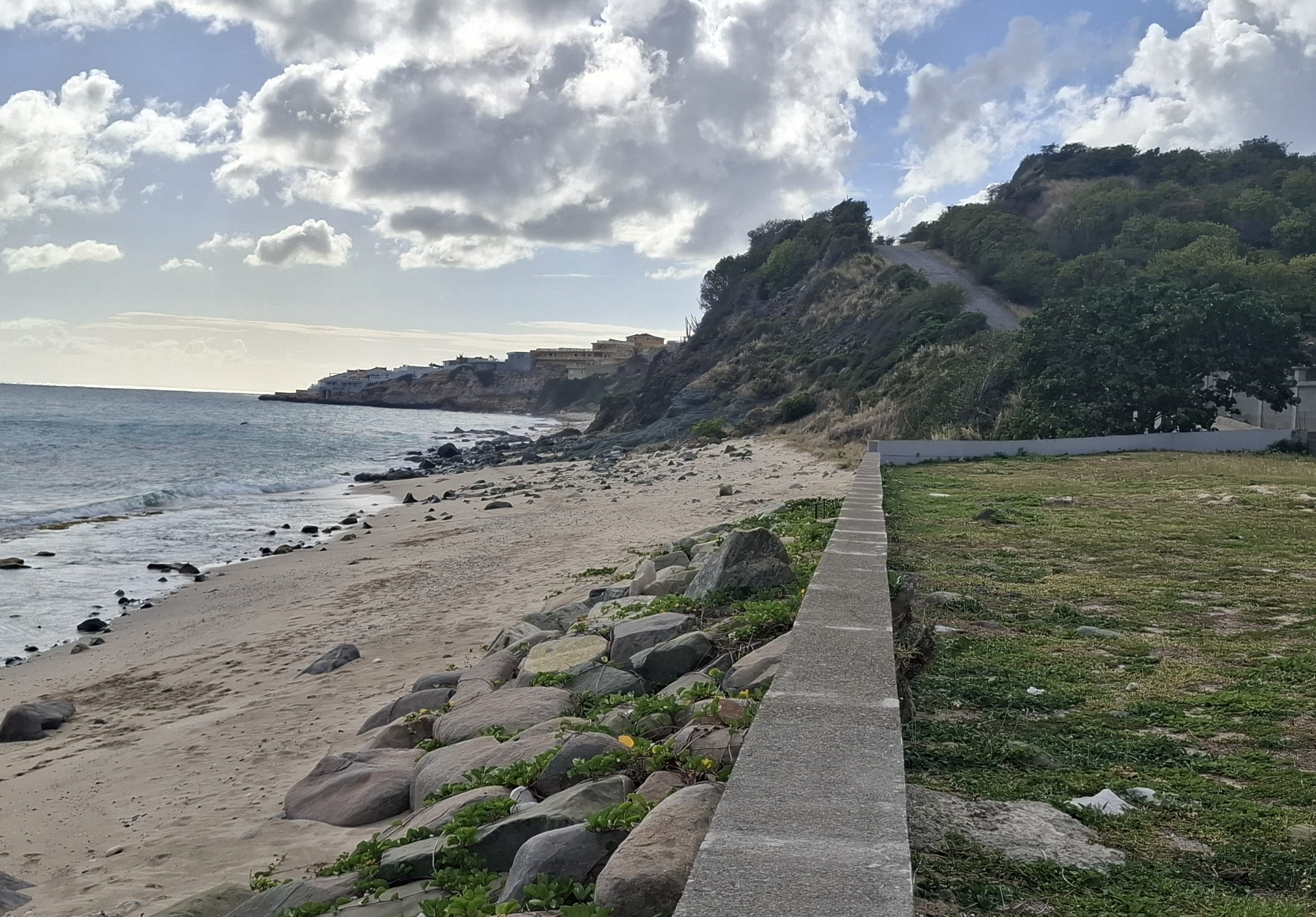
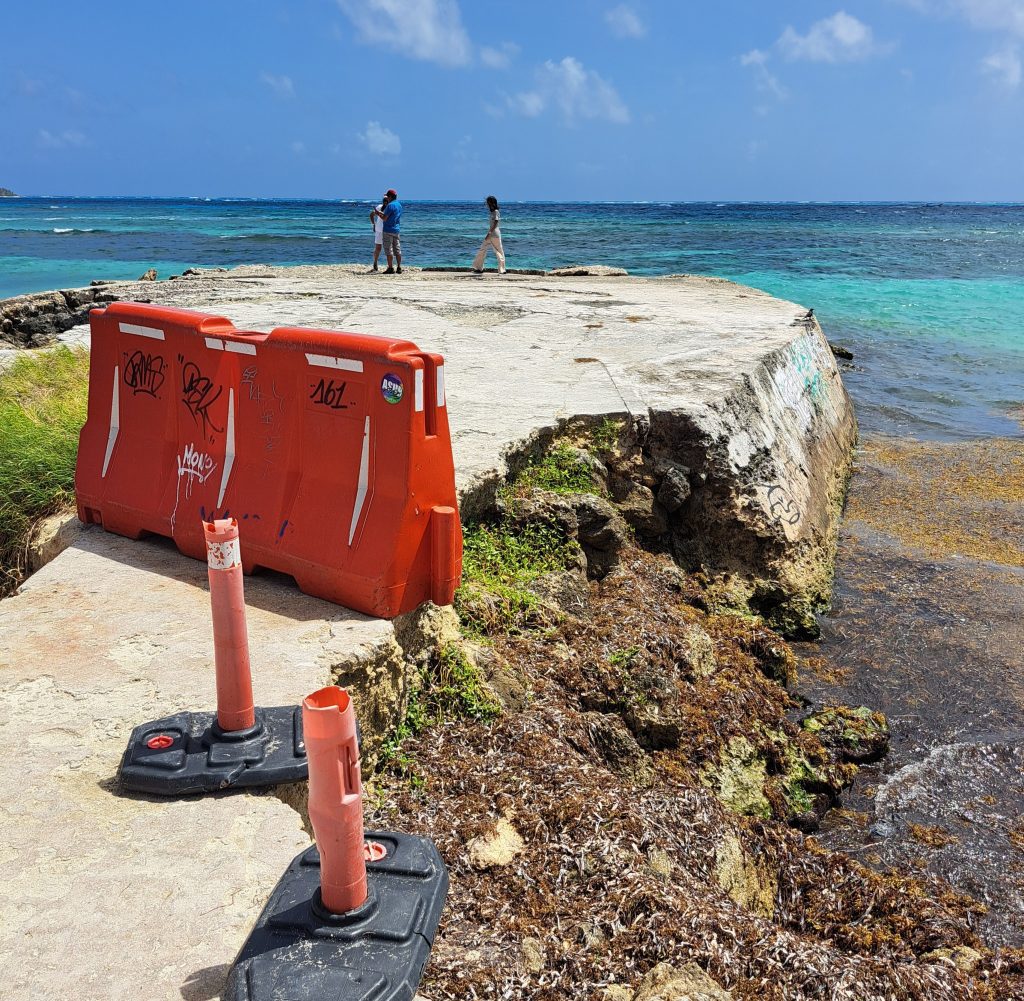
In November 2020, Hurricane Iota destroyed approximately 98% of Providencia’s infrastructure and wiped out some of the Colombian island’s beaches entirely. The hurricane was catastrophic, but even before the storm, coastlines across the island had been under pressure from extreme events and changing conditions. Likewise, on the island of San Andrés, the beaches have been shifting for years – driven by a combination of climate pressures and human activity. IPDC brought together Colombian institutions and Dutch expertise to identify what drives this erosion, and to design a combination of solutions to protect two beaches in the Caribbean.
The programme is funded through IPDC and delivered in cooperation with the Colombian Ministry of Environment and Sustainable Development, and in partnership with Colombian and Dutch institutions.
An archipelago under pressure
The Archipelago of San Andrés, Providencia and Santa Catalina is a UNESCO Biosphere Reserve, home to Colombia’s largest coral reef system and to the Afro-descendant Raizal people. Tourist arrivals have grown to roughly one million per year, and that income depends almost entirely on healthy beaches. For the Raizal people, whose beaches are central to both their economy and cultural identity, the retreating coastline impacts their everyday life.
The pressures on those beaches are increasing. Around 60% of the coastline is currently eroding. Sea levels are projected to rise by up to 90 cm by 2100, and hurricanes are becoming more intense. Alongside these climate drivers, sand extraction, uncontrolled boat anchoring, and wastewater discharge have degraded the reefs, seagrass meadows and mangroves that would otherwise act as the coast’s first line of defence.
First understand, then act
This project worked to support these islands by combining on-the-ground research, coastal modelling, and close collaboration with local partners to make informed decisions on coastal adaptation measures. The project has been implemented by Deltares and Wageningen Marine Research alongside Colombian partners DAMCRA, Invemar, CORALINA, Fundación Herencia Ambiental Caribe (FHAC) and the Government of San Andrés, Providencia and Santa Catalina.
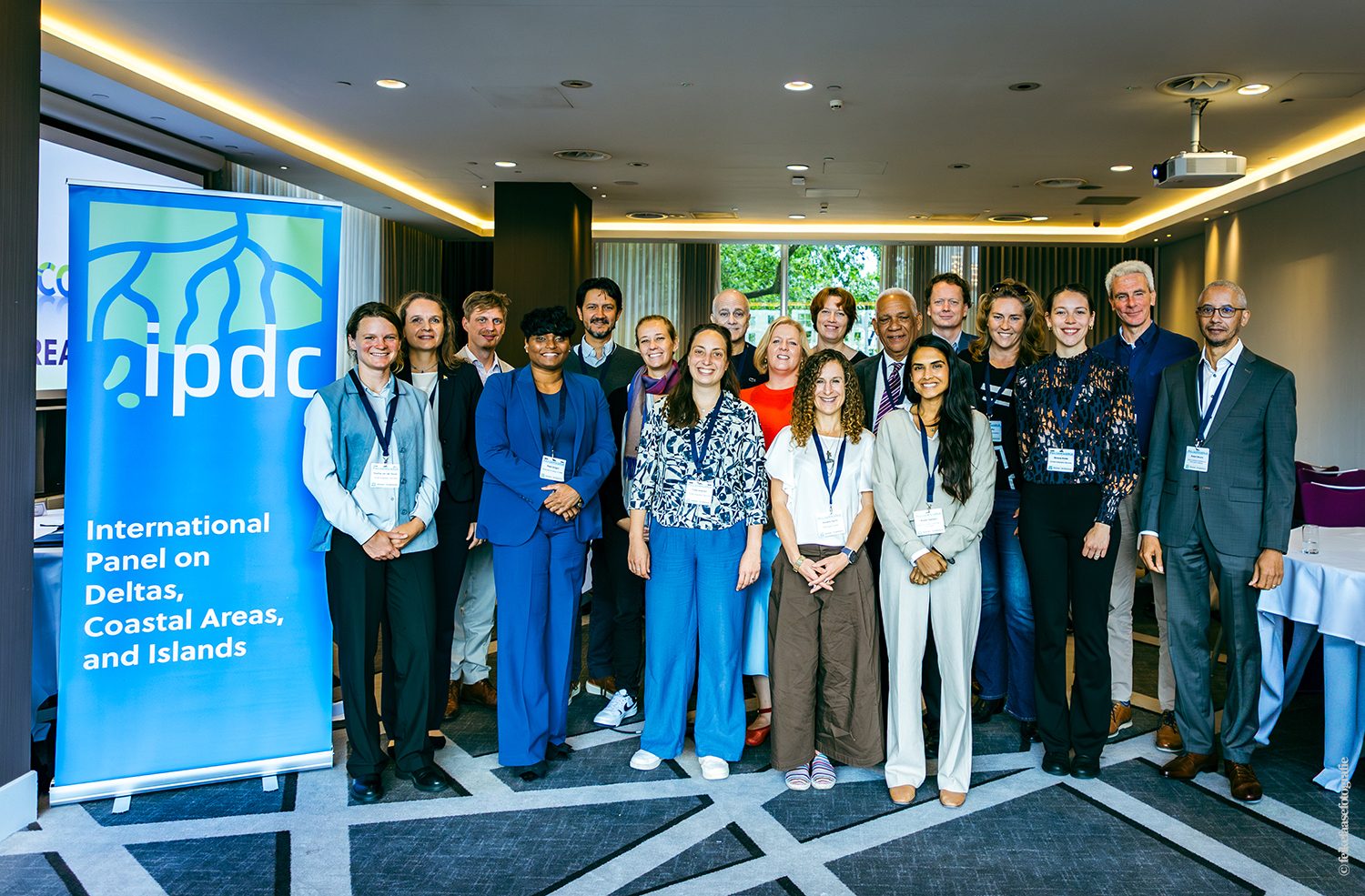
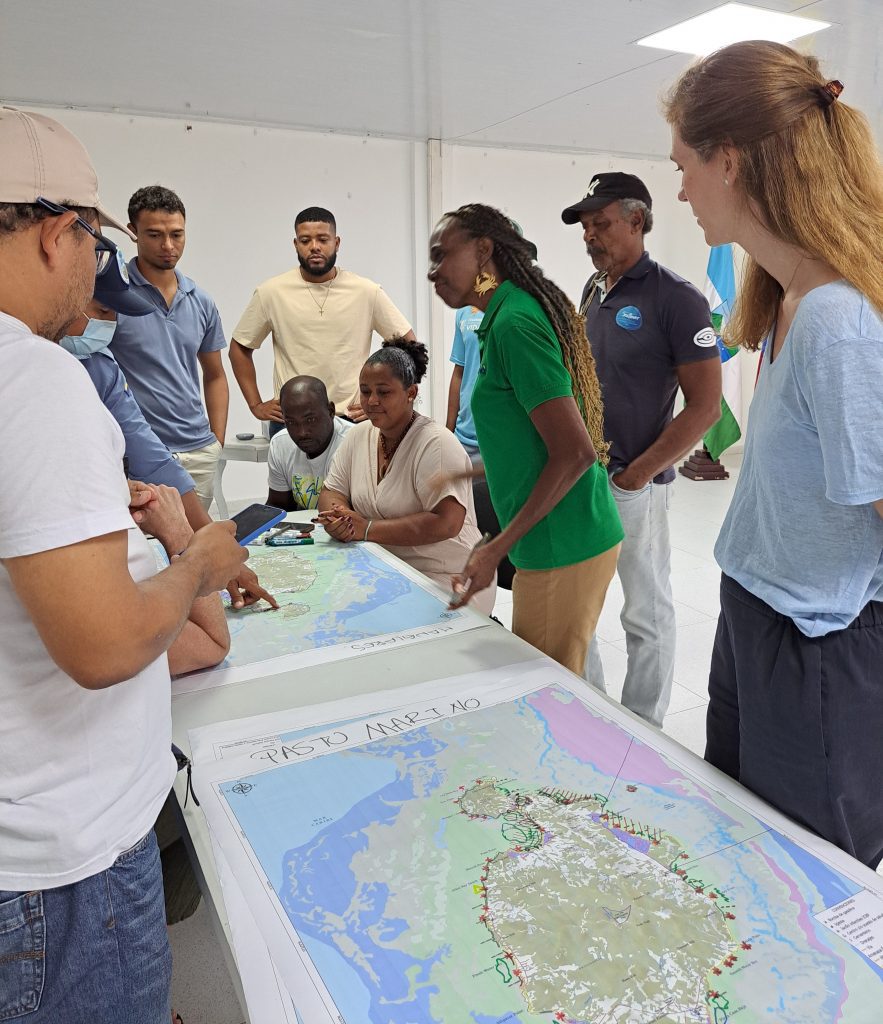
To understand local conditions and community needs, the project team travelled to both islands in early 2025. They surveyed the beaches most at risk, met local stakeholders, and mapped what data existed and what was still missing. This direct contact with communities and officials ensured the technical work was relevant to, and informed by, the people who live with these challenges every day.
Building the evidence base
Building on this fieldwork, the team developed computer models that simulate how waves move sediment along the coastlines of Spratt Bight on San Andrés and Manzanillo on Providencia, and how that behaviour shifts under future climate conditions. This makes it possible to test different intervention options before committing to them – particularly important where resources are limited, and decisions need to be well-founded. The model’s ability to reproduce actual coastline changes between 2015 and 2025 gives confidence in its results.
Analysis of shoreline data for both islands found no consistent long-term erosion trend. What the data showed instead was strong seasonal movement and a shift in trend following hurricane events. This has direct implications for how coastal risks are monitored and managed.
The Dutch partners led the technical modelling, while local organisations brought contextual knowledge and maintained engagement with communities on the islands – ensuring that solutions are not only technically sound, but also supported locally and workable in practice.
Solutions, tailored to each island
The solutions proposed emerged from combining the modelling results with earlier studies and stakeholder input. For Spratt Bight on San Andrés, the proposed approach combines nature-based solutions and more traditional measures. Protecting and – where possible – restoring coastal vegetation and marine ecosystems forms the foundation, alongside adding sand to restore beach width, hard structures to reduce destructive wave energy, and tackling the wastewater flows that are degrading the seagrass meadows which stabilise the seabed. For Manzanillo on Providencia, the same combination of measures is proposed. This includes protecting freshwater inflows to sustain the coastal mangroves, and creating small dunes along the beach to serve as natural sand storage.
Coastal erosion does not have a single cause, and there is no single fix. But the evidence from this project shows it can be addressed, and ecosystems can recover, when restoration and regulation of human activity go hand in hand.
A model for other island coasts
Throughout this project, IPDC has acted as a connector. It brought together Colombian institutions and international expertise, and strengthened the path from knowledge to action. This includes supporting priority-setting, facilitating knowledge exchange on Nature-based Solutions, and ensuring the work feeds into Colombia’s national Coastal Erosion Master Plan.
The challenges facing San Andrés and Providencia are recognisable far beyond Colombia – in island states across the Caribbean, the Pacific and beyond. The project demonstrated that investing in a thorough understanding of the coastal system before committing to interventions produces well-informed decisions and builds the community trust needed to act on them. For coastlines where the sea keeps coming closer, knowing what you are dealing with is the first step towards doing something about it.
Want to know more?
Get in touch with Marta Faneca Sànchez.