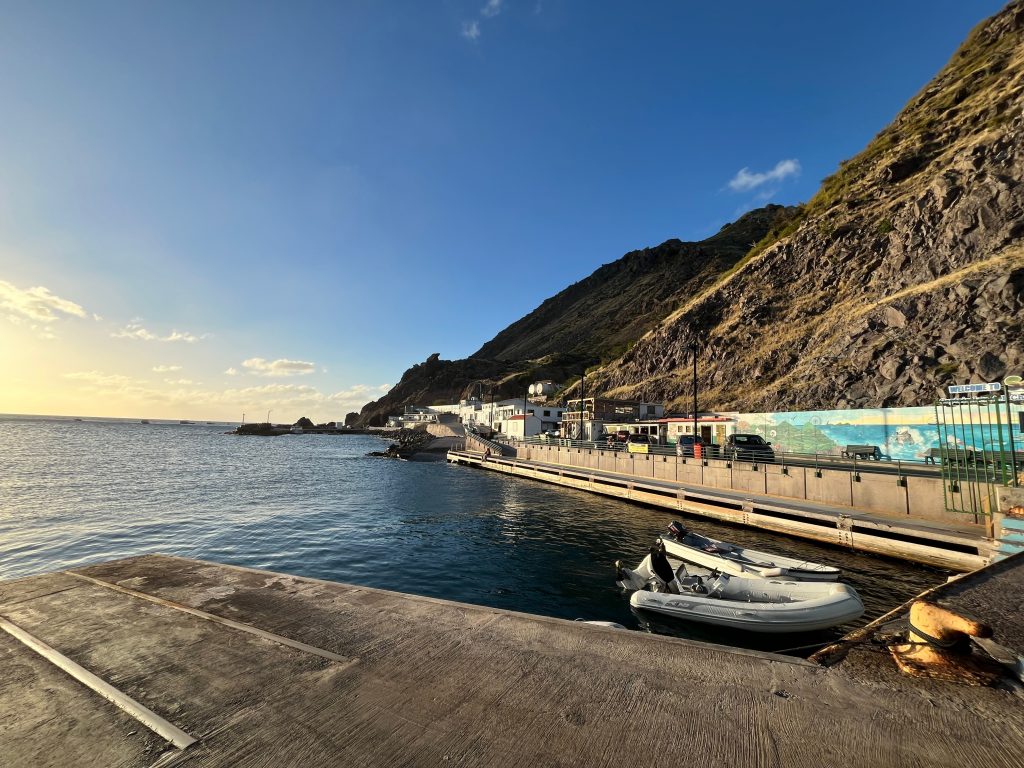
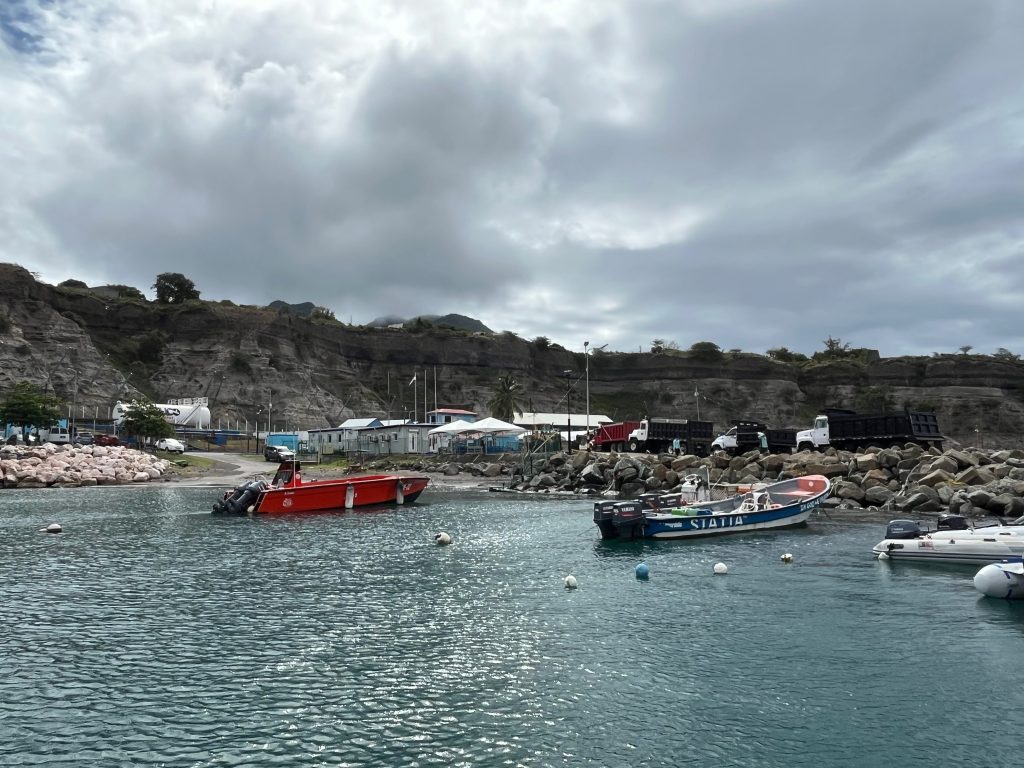
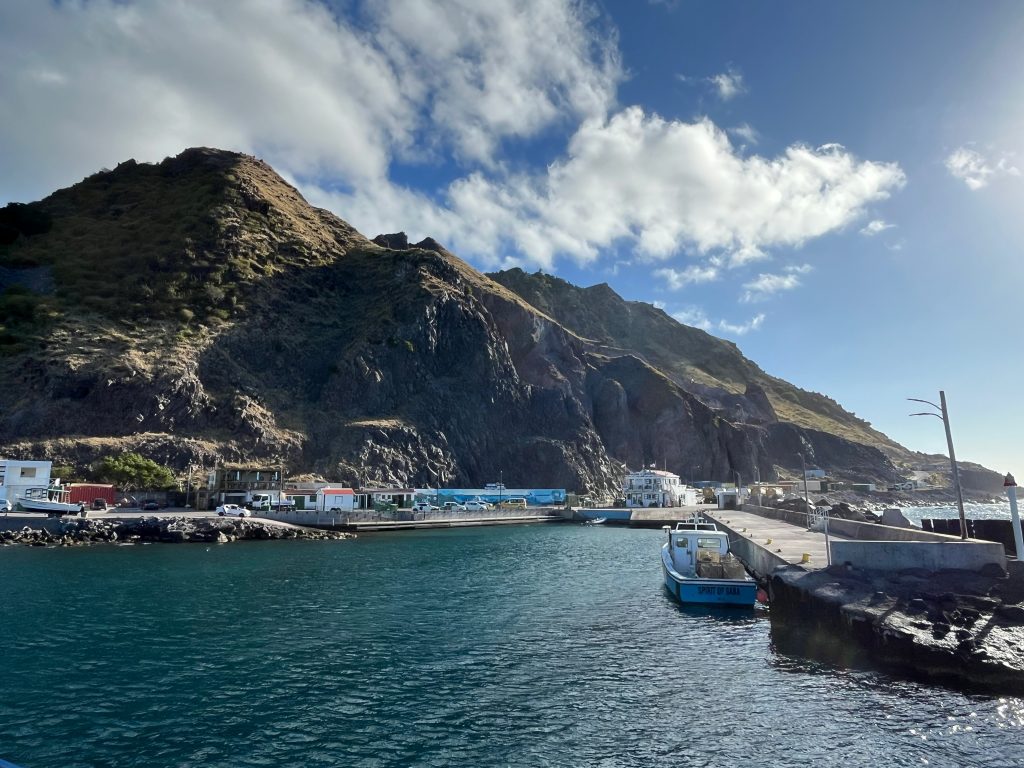
On small islands where almost everything is imported, the supply chain is a lifeline for the people who live there. For Saba and Sint Eustatius – known locally as Statia – fresh produce only arrives once a week. If the boat cannot dock because of swell, storm, or disruption further up the chain, the islands may not get fresh produce that week.
Residents and policymakers have long known the supply chain is fragile. So when both islands developed their Climate Plans, supply chain resilience was identified as one of the critical priorities for food security. What was missing was a clear, evidence-based picture of how climate change will deepen these vulnerabilities, and what that means for investment and resilience decisions. This IPDC project is supporting both island governments in mapping that vulnerability and identifying which measures would build resilience into the system.
Two islands at the end of a long chain
Saba and Statia sit at the end of a single supply route that runs from Miami, through Sint Maarten, to each island by smaller cargo vessel. With almost 98% of its food imported, there is little room for disruption. When a port or boat anywhere along that chain goes quiet fresh produce runs out quickly. For the islanders, that fragility is felt in rising food prices, spoiled produce, and days without fresh, healthy food on the shelves.
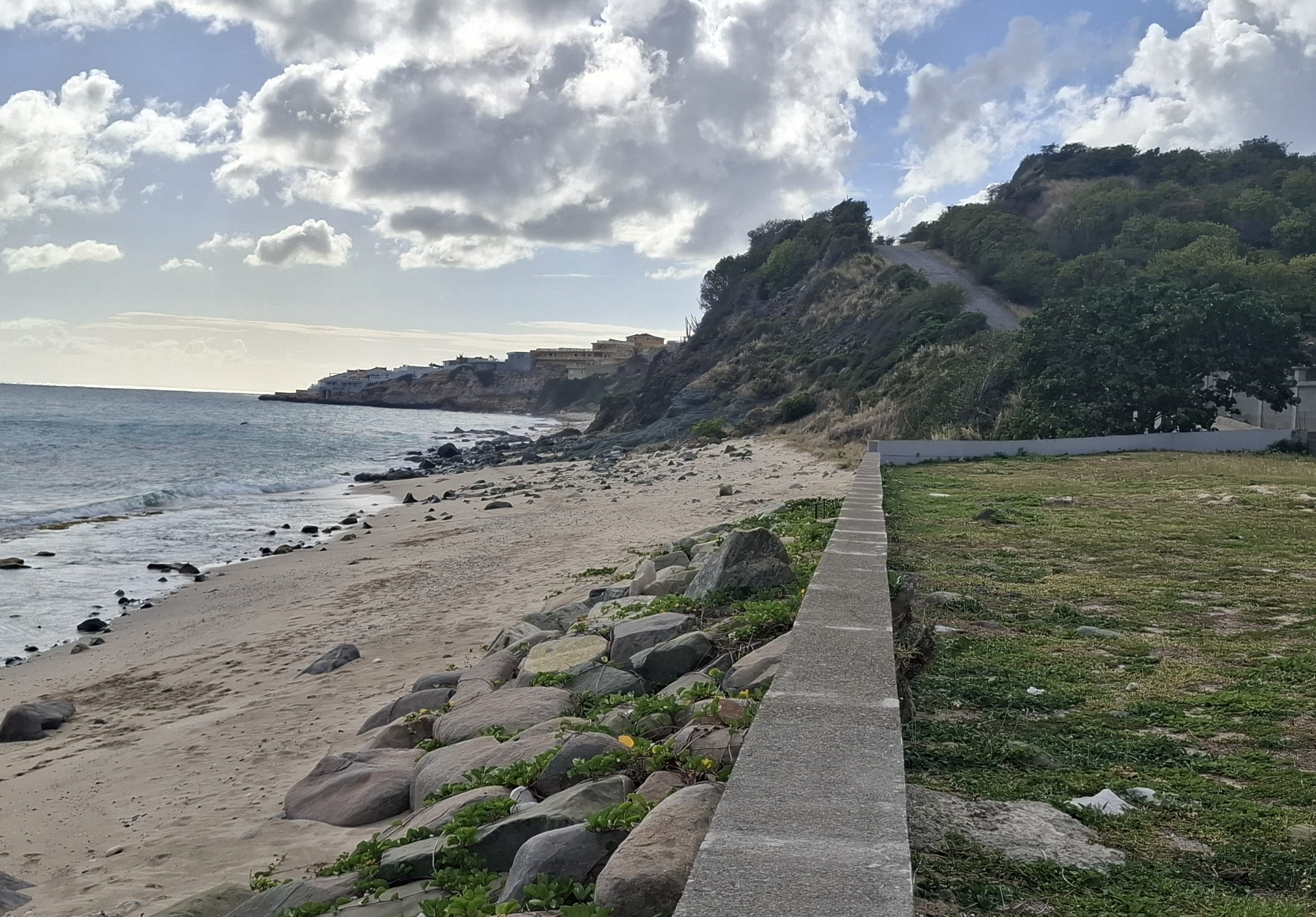
Climate change is deepening these existing vulnerabilities. More intense tropical storms and hurricanes, rising sea levels, drought and shifting rainfall patterns are already being felt on both islands, making disruptions more frequent and the system harder to recover from. For the first time, this project gives decision-makers the data they need to understand how climate change will worsen these risks and where investment will have the greatest impact.
Building a shared picture of the problem
Through extensive interviews with stakeholders on both islands and in the Netherlands, the IPDC project team at Deltares developed a system dynamics model of the Saba and Statia fresh produce supply chain. Rather than predicting outcomes, this type of model maps how different parts of the system connect and affect each other. It captures what stakeholders and policymakers collectively understand about how their supply chain works, where and under what conditions it breaks down, and the consequences for produce availability, quality and price pressure.
The model shows what is often felt but hard to articulate: how a disruption in one part of the chain ripples through the rest. Alongside the supply chain model, a tropical cyclone and wind hazard model was developed to generate tailored climate change scenarios for the Caribbean region, specifically for stress-testing the supply chain under different future conditions.
Together, these tools allow policymakers to explore questions that were previously difficult to answer, such as: what are the feedback loops if Miami is hit by a hurricane? Which adaptation measures reduce that risk most effectively? Are there more resilient supply chains available in the region? And what will be the potential impact if we do nothing?
From analysis to dialogue
Until now, understanding of the Saba and Statia fresh produce supply chain has been largely based on fragmented information and lived experience. While local officials and national partners have long recognised the system’s vulnerability, the absence of a shared analytical foundation made it difficult to systematically assess how climate change is reshaping risk.
There was limited ability to examine how increasingly intense storms and storm surges are likely to compound the disruption the islands already experience each year, or to analyse how different adaptation options, and combinations of them, would reduce those impacts.
The system dynamics model and climate stress testing developed through the IPDC project has helped address this gap. As a result, island governments, national ministries, and logistics operators now share a common starting point for weighing options and prioritising adaptation investment. The model also strengthens the case for climate finance, by making visible what is at risk under future climate conditions and which measures do most to reduce that risk.
The modelling work is now complete. The findings will form the basis for a policy dialogue between the islands and the national government in The Hague – giving both sides a shared, evidence-based foundation for decisions on adaptation and investment, grounded in how the supply system behaves under climate stress.
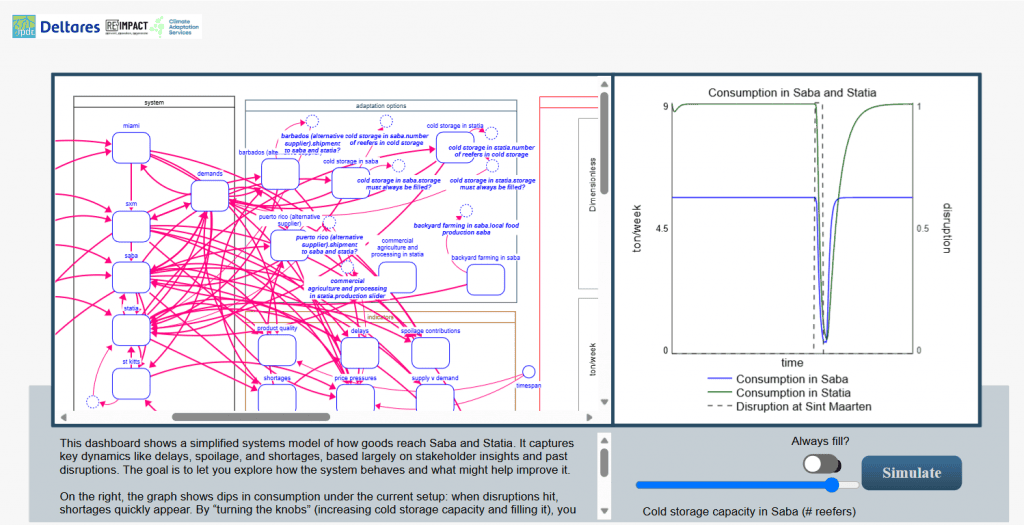
This image shows what the model looks like, including an impression of an output.
A model for other islands
The approach developed for Saba and Statia is directly transferable. Many small islands worldwide face similar challenges: linear supply chains, high dependence on imports, limited availability of data, and growing climate risk. The combination of a system dynamics model with tailored climate stress-testing offers a practical methodology that other islands can adapt for their own contexts. The lessons learned here are available to IPDC member countries worldwide.
Want to know more about IPDC’s work on Saba and Sint Eustatius? Get in touch with sadie.mcevoy@deltares.nl or ümit.taner@deltares.nl.