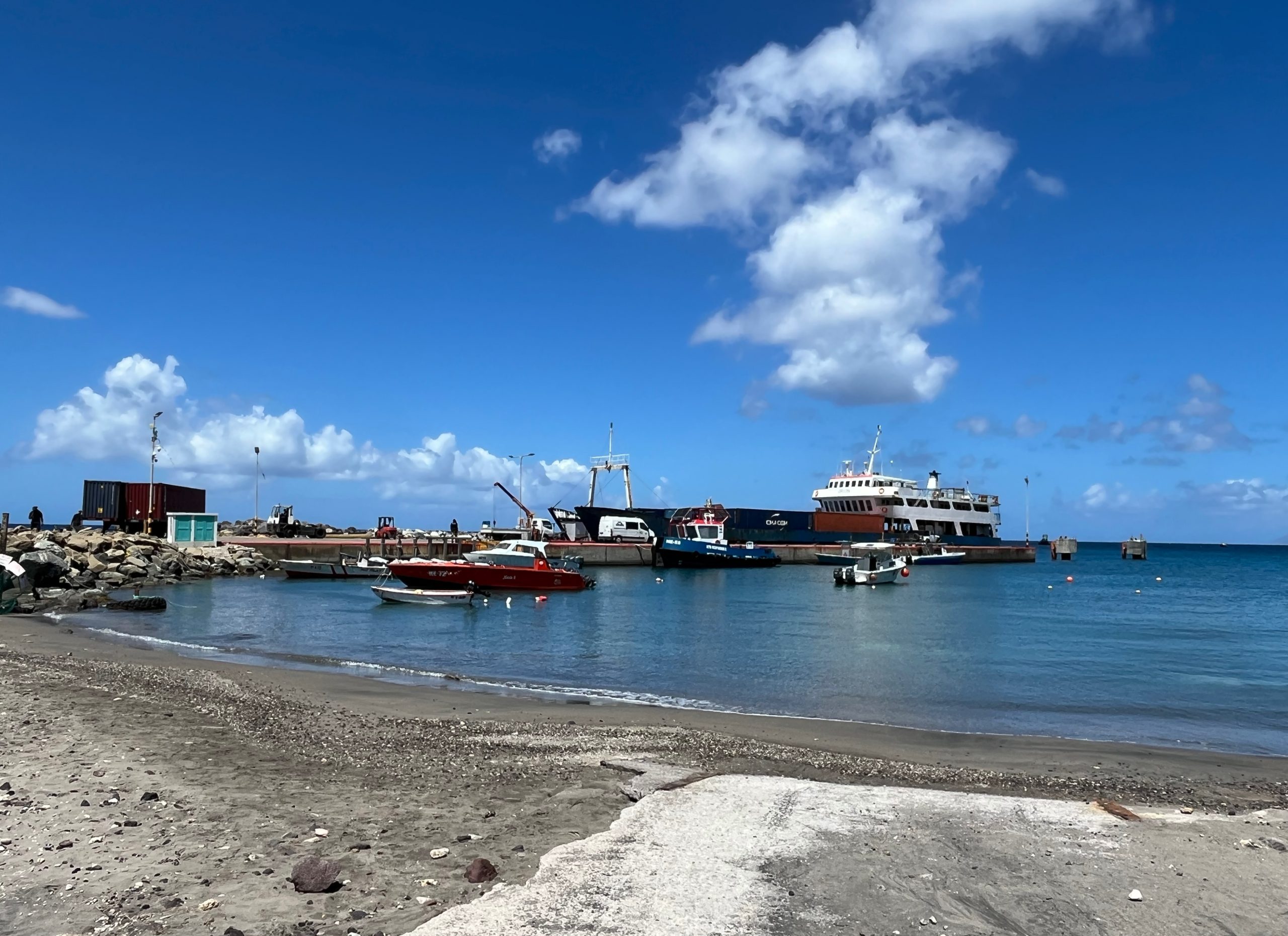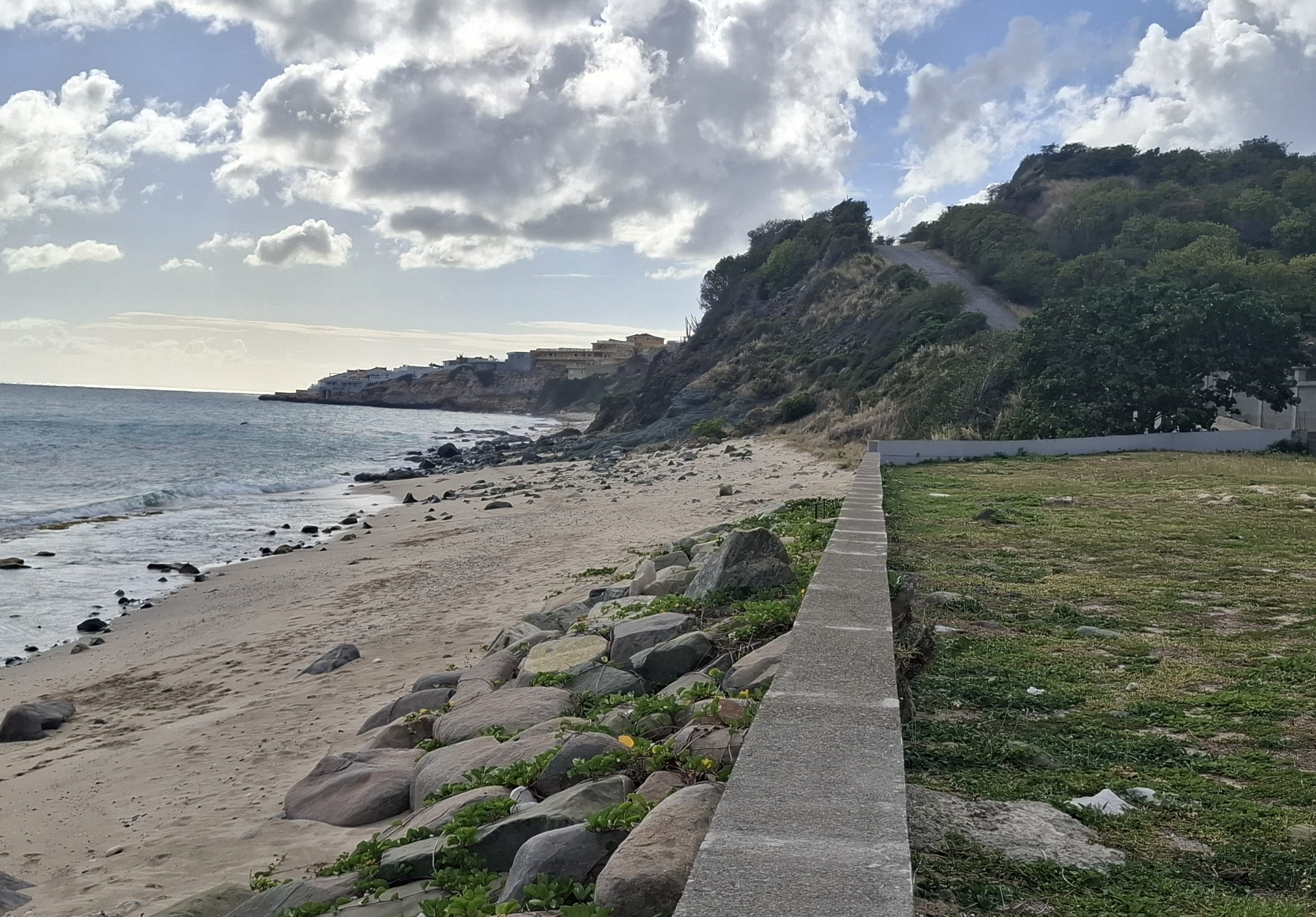
Curaçao is already experiencing the impacts of climate change, including extreme heat, water stress, flooding during heavy rainfall, coastal erosion, and rising pressure on public health, infrastructure, ecosystems, and the cost of living. These impacts affect daily life across the island and are expected to intensify in the coming decades.
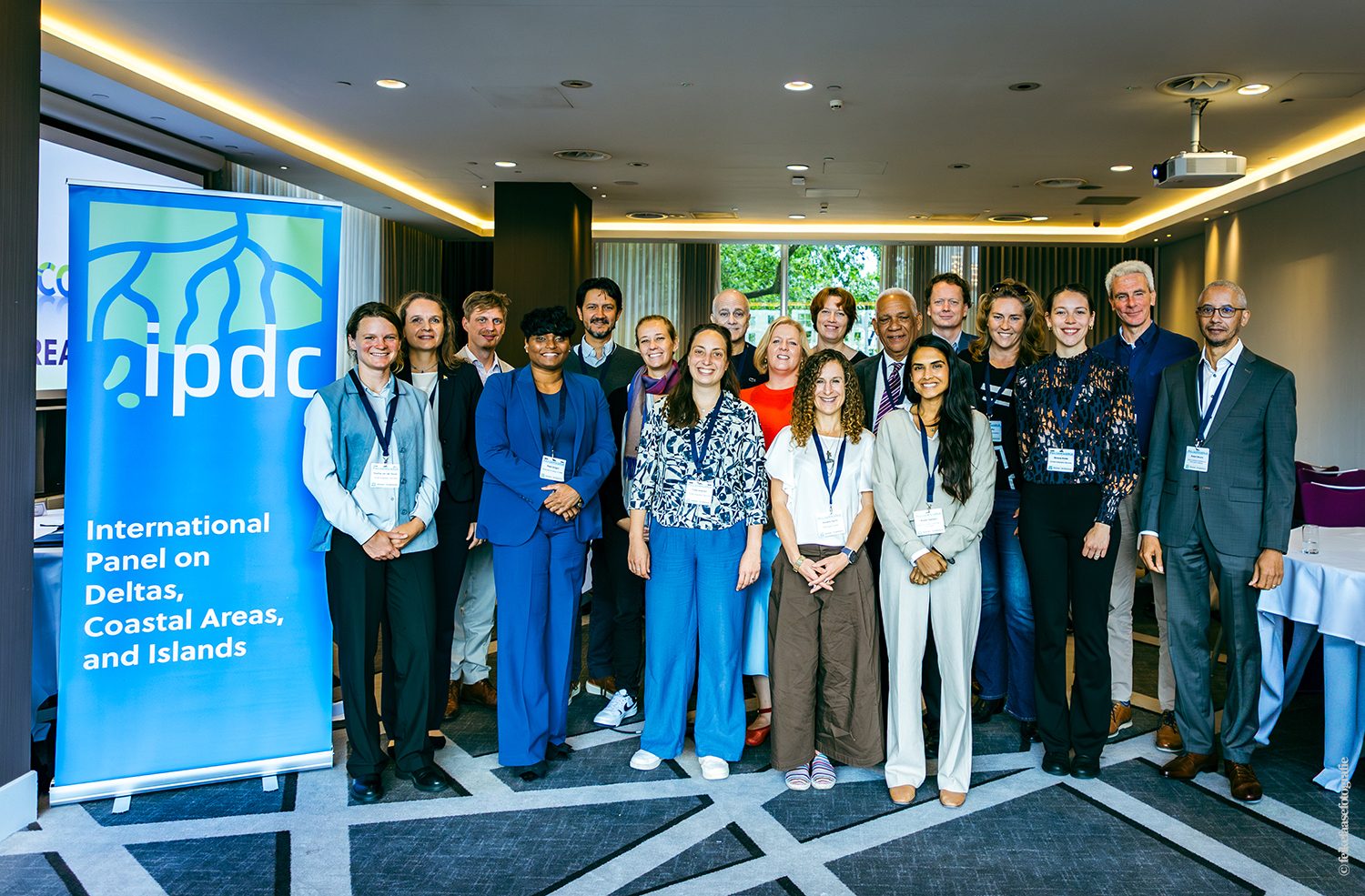
Since 2022, Curaçao has been actively engaged in the International Panel on Deltas and Coastal Areas (IPDC) through the Dutch Caribbean programme. Earlier IPDC-supported activities have contributed to building a shared knowledge base on climate risks, including the development of climate scenarios, the KlimaKòrsou Climate Impact Atlas, and a regional database of climate adaptation options. In parallel, Curaçao has developed a policy vision and prioritised adaptation themes through the Curaçao Climate Change Platform.
This project builds on these foundations and supports Curaçao in developing its National Adaptation Strategy (NAS-Ç). The focus is on translating existing knowledge, lived experience, and public preferences into a coherent, evidence-based strategy that can guide decision-making and implementation.
Objective
The objective of this IPDC-supported project is to support Curaçao in developing a National Adaptation Strategy through a structured and participatory process. The project brings together scientific expertise, stakeholder knowledge, and public input to identify and prioritise feasible adaptation options that address the island’s key climate risks, align with national priorities, and support access to international climate finance.
Approach: three complementary lines of evidence
The development of the National Adaptation Strategy is informed by three complementary lines of evidence, which together ensure that the strategy is scientifically grounded, socially relevant, and broadly supported.
Scientific and expert knowledge
Adaptation options are informed by an IPDC-supported inventory of climate adaptation measures, developed by the University of Curaçao in collaboration with the University of Aruba, University of St. Martin, Vrije Universiteit Amsterdam, Deltares, Wageningen University and other partners. This database provides structured information on adaptation options and best practices, including qualitative information on effectiveness, costs, and equity considerations. The database has now been completed and is publicly accessible via KlimaKòrsou, where adaptation options for Curaçao can be explored and compared.
Stakeholder knowledge and lived experience
A broad group of stakeholders has been engaged throughout the process, reflecting the diversity of actors identified under the UN Sustainable Development Goals Major Groups framework. This includes representatives from government, civil society organisations, the private sector, academia, youth, and community-based organisations. Through thematic sessions and stakeholder workshops, participants contribute their lived experience, sectoral knowledge, and practical insights to help refine and assess adaptation options across priority themes.
Public preferences and societal perspectives
Public input forms a third, independent line of evidence. A national survey on public preferences towards climate change adaptation was conducted across Curaçao in public locations, including supermarkets and hardware stores. The survey gathered responses from hundreds of residents and captures how people experience climate impacts, what risks they consider most urgent, and which adaptation measures they prioritise. The results of this survey provide direct societal input into the prioritisation of adaptation options and help ensure that the National Adaptation Strategy reflects public concerns and expectations. Check out the report of the survey methodology and findings.
From knowledge to strategy
The project follows a stepwise process that starts from Curaçao’s existing policy vision and prioritised adaptation themes and connects these to climate risk information from the KlimaKòrsou Climate Impact Atlas and other assessments. For each theme, adaptation options are identified, expanded through stakeholder input, and subsequently prioritised using the three lines of evidence: scientific characteristics from the adaptation options database, expert judgement where needed, and public preferences from the national survey.
Stakeholder workshops play a key role in this process. An initial workshop focuses on broadening and enriching the range of adaptation options, while a second workshop validates priorities and explores pathways for implementation. This allows the process to move from identifying options to discussing how adaptation can be put into practice in Curaçao’s specific context.
The outcomes of these steps are consolidated into a draft National Adaptation Strategy for Curaçao, which brings together strategic directions, priority adaptation options, and considerations for implementation.
Expected outcomes
The project will result in a draft National Adaptation Strategy for Curaçao that is grounded in scientific evidence, informed by stakeholder knowledge, and supported by public input. It strengthens the link between earlier IPDC-supported analyses and concrete policy development, while reinforcing local capacity for long-term climate adaptation planning.
By explicitly combining expert knowledge, lived experience, and societal preferences, the project supports Curaçao in developing a National Adaptation Strategy that is both technically robust and socially legitimate.
Resources
Public preferences towards climate change adaptation in Curaçao: a national survey.